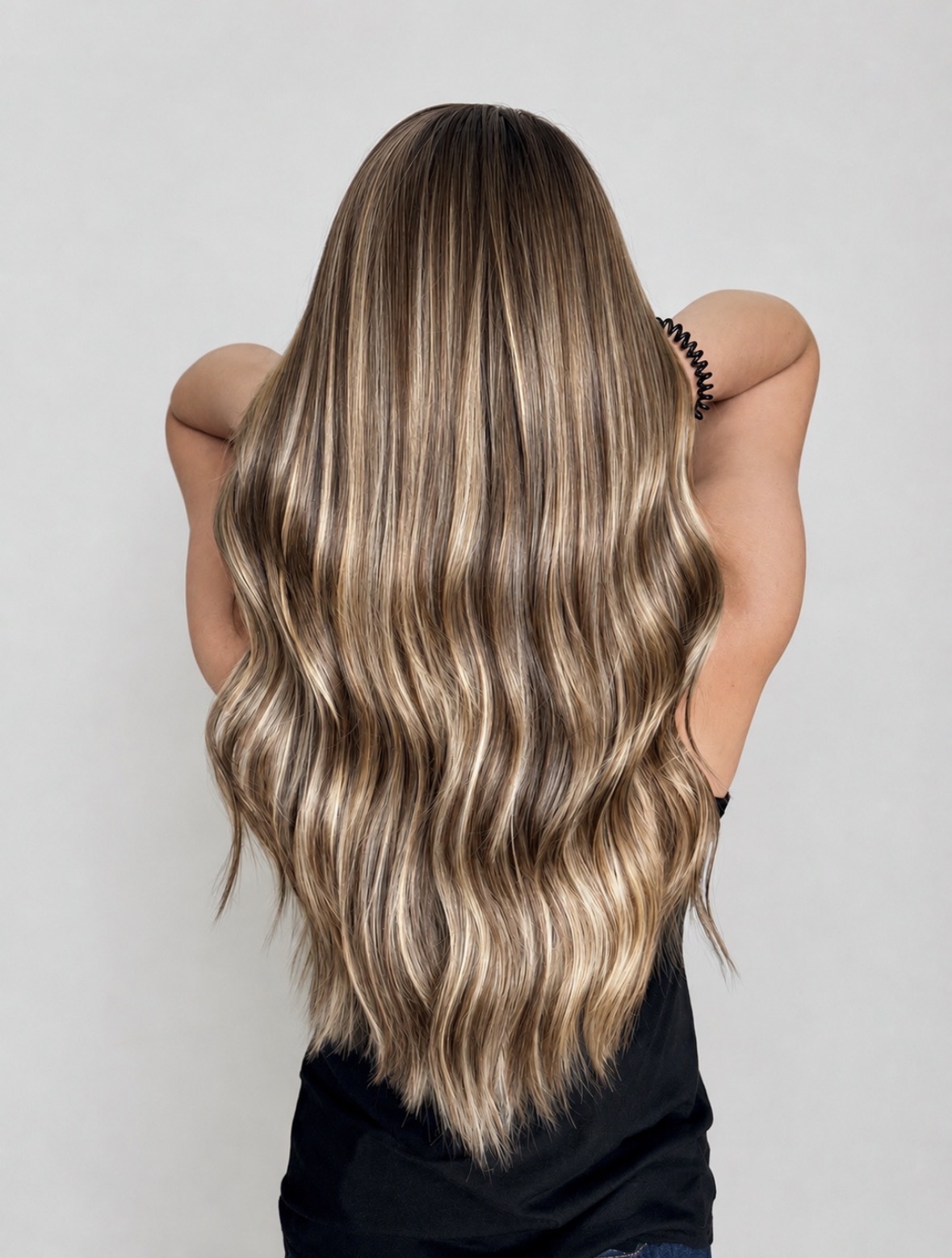
Signature Methods
Nano Tip Hair Extensions
Discreet, lightweight, and damage-conscious. Nano tips use tiny rings — no glue, no tape, no heat — designed for fine and thin hair.
Why Choose Studio Mane
Extensions Built
for Delicate Hair
Not all extensions are created equal. Many methods are far too heavy, bulky, or damaging for clients with fine or low-density hair. At Studio Mane in Coeur d'Alene, Idaho, we have built our extension practice specifically around the challenges of fine hair.
- Featherweight, virtually undetectable bonds
- Zero bulk at the root or mid-shaft
- Gentle on fragile and delicate strands
- Natural movement and seamless blend
- Restores density and fullness
- Designed for little to no natural density
What Are Nano Tip Extensions?
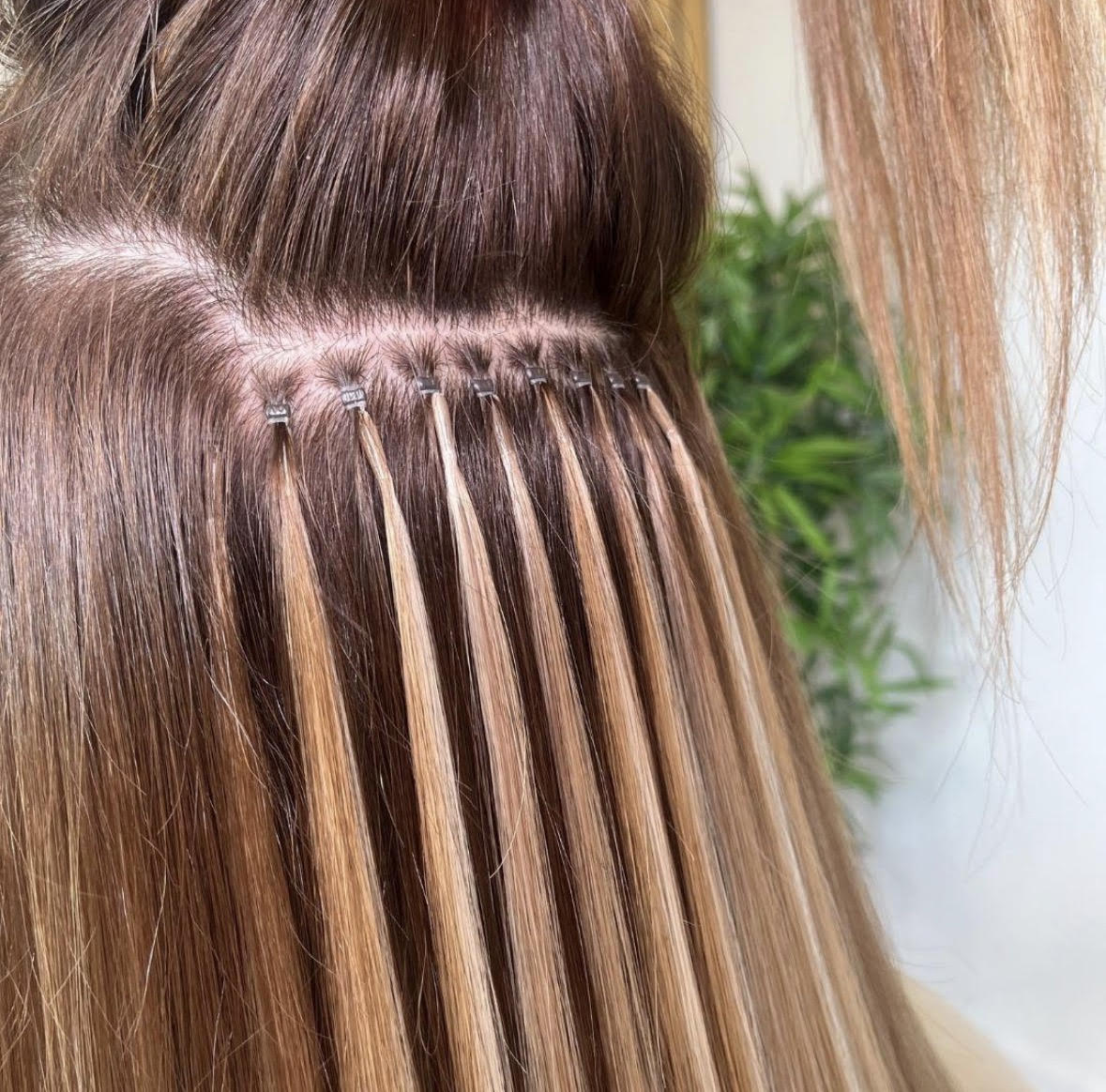
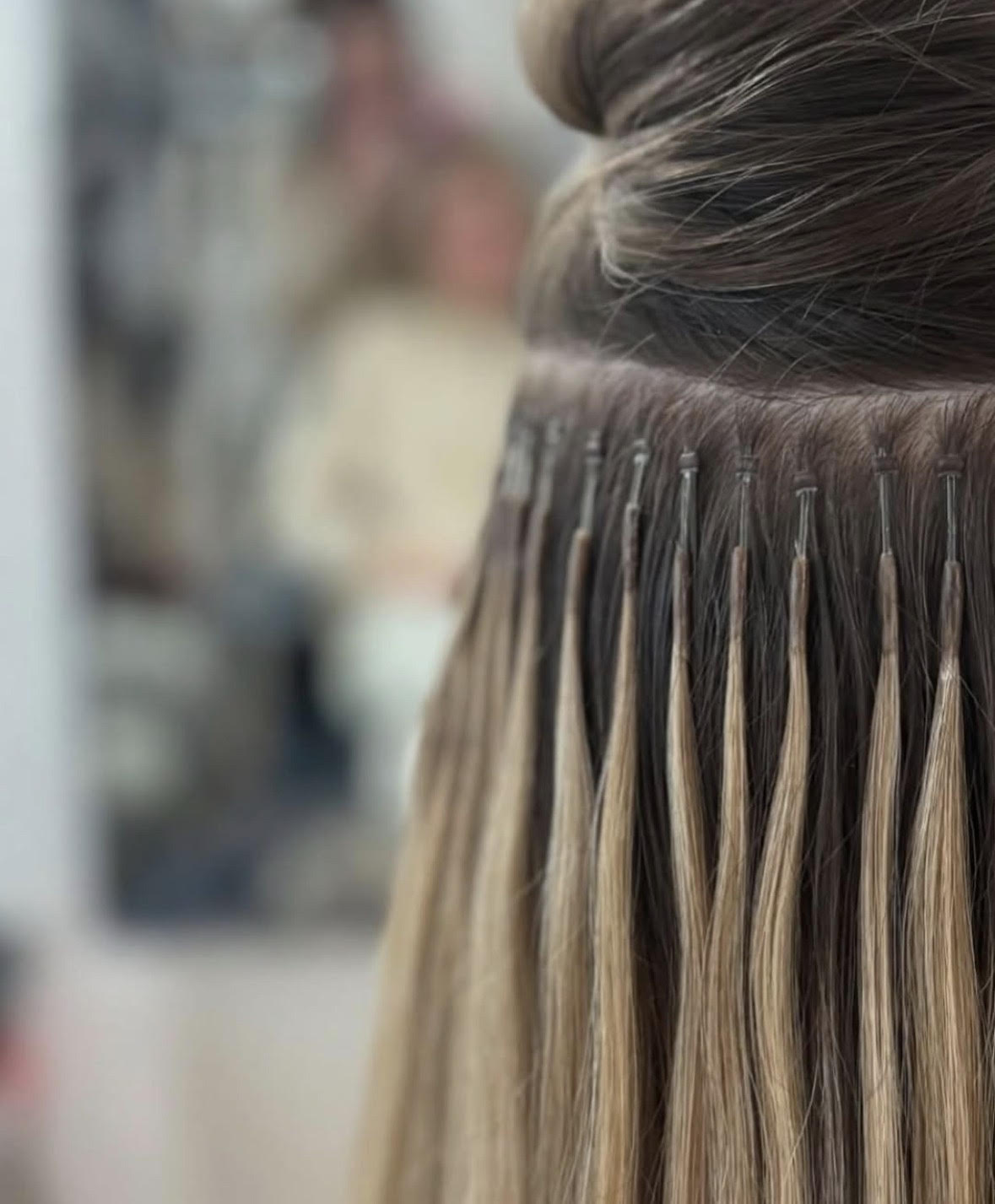
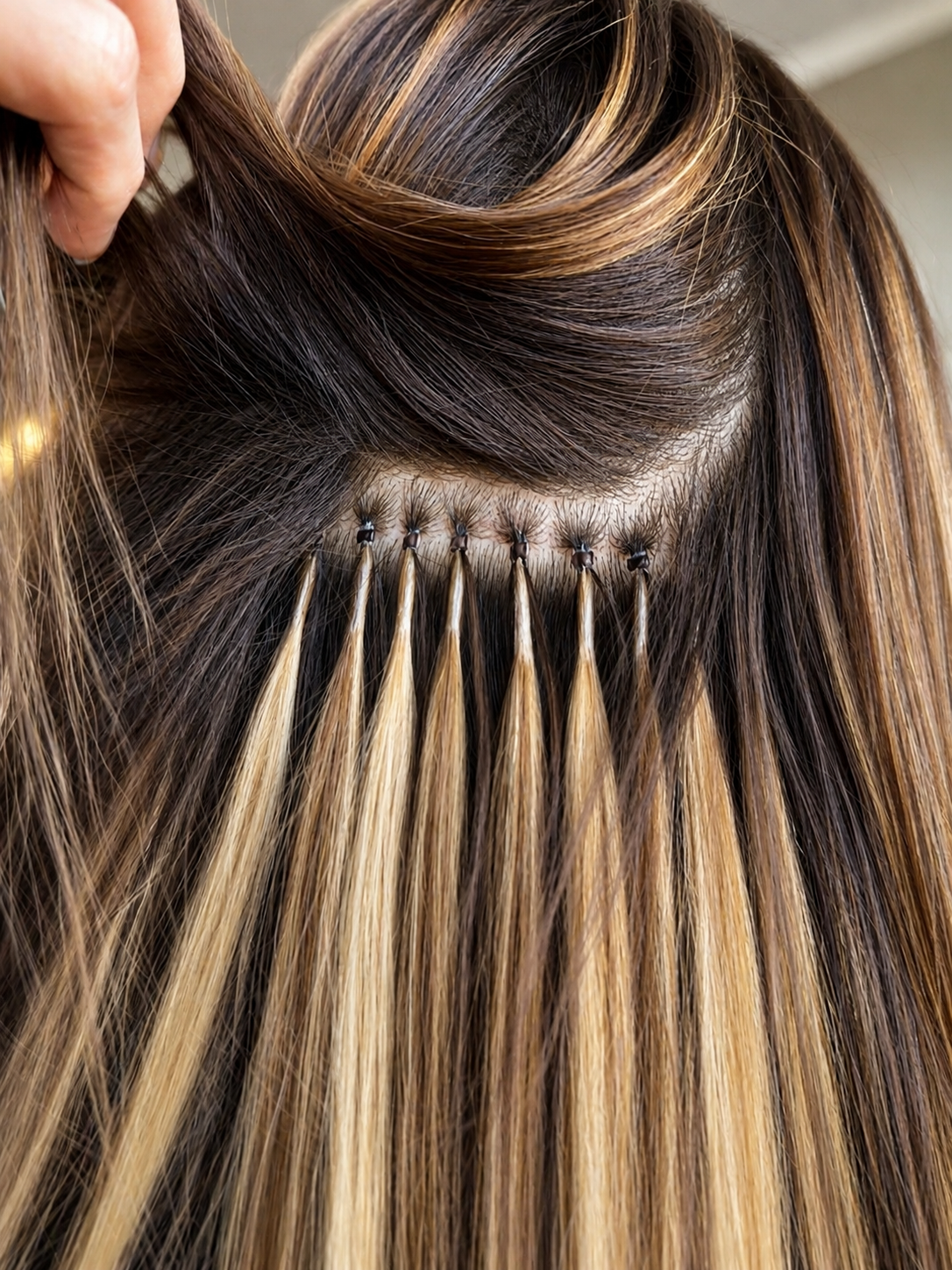
Nano tip extensions are one of the most discreet and lightweight extension methods available. Each individual strand is attached to your natural hair using a tiny nano ring — roughly the size of a grain of rice — with no glue, tape, or heat involved. The bond is so small it sits flat against the scalp and is virtually invisible, even in fine or thin hair.
Unlike heavier methods, nano tips distribute weight gently and evenly across the hair, making them one of the safest options for clients who are concerned about damage or have experienced tension from other techniques.
How They Work
Each nano tip extension strand comes pre-tipped with a small keratin bond. During the install, that bond is threaded into a tiny metal nano ring along with a small section of your natural hair. The ring is then crimped closed using a specialized tool, securing the extension without any adhesive or heat.
The result is a strand that lays completely flat against the scalp, moves naturally with your hair, and is undetectable at the root — even to the touch. The install can take anywhere from two to six or more hours depending on your density, goals, and the number of strands being placed. Most installs use between 50 and 200 or more grams depending on whether you are adding fullness, length, or both.
Why Nano Tips Are So Popular
Nano tips have become one of the most sought-after extension methods because they deliver results that look and feel completely natural — without the bulk, damage, or visible bonds that come with other techniques. They move like real hair, sit close to the scalp, and require no chemical adhesive whatsoever.
For clients who have been told they cannot get extensions because their hair is too fine, nano tips are often a turning point. They are designed to work with the hair rather than against it, making them genuinely accessible for clients with very little natural density.
Best Hair Types for Nano Tips
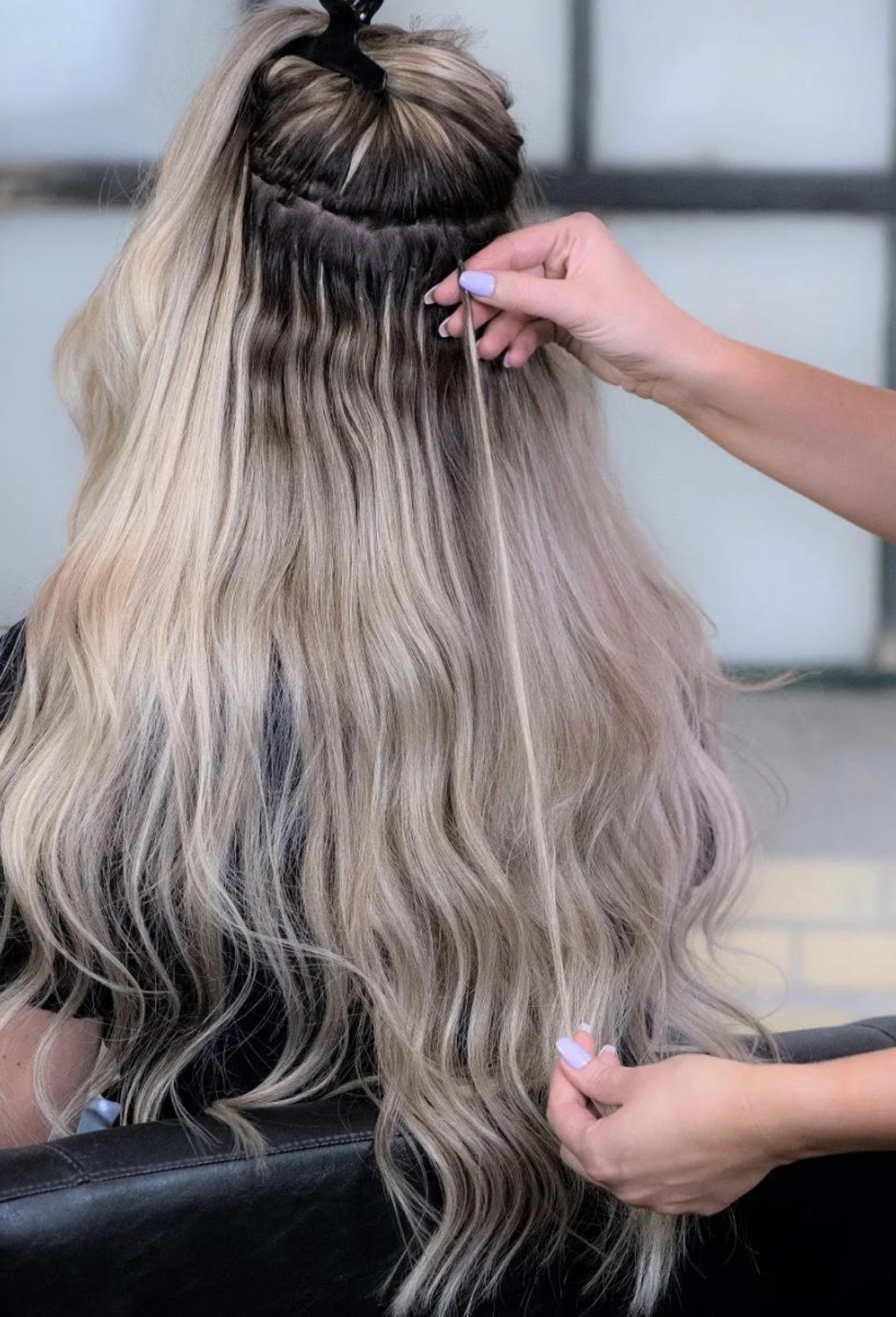
Nano tips work exceptionally well for fine, thin, and low-density hair. Because the bonds are so small and lightweight, they are discreet even when the surrounding hair is very thin. They lay flat and stay hidden in a way that larger bonds simply cannot. Clients who have struggled with visible bonds, bulky installs, or extensions that create tension on fine strands consistently find that nano tips are the answer.
They are also a strong choice for clients who want length and volume without committing to a method that requires adhesive. If your hair is fine, fragile, or low-density, nano tips are likely the method we will recommend during your consultation.
What Makes Them Different From Other Extensions?
Most extension methods rely on heat, glue, tape, or large wefts sewn into the hair. Each of those approaches comes with tradeoffs — heat damage, adhesive residue, tension at the root, or visible bulk at the parting line. Nano tips eliminate all of those issues. There is no heat involved in the application. There is no adhesive. There is no weft. Just a tiny ring, a small section of your natural hair, and a single extension strand placed with precision.
The skill required to install nano tips correctly is significant. Advanced sectioning, customized placement, bead tension control, density balancing, and blending expertise are all essential to a great result. This is not a method that can be rushed or applied carelessly.
Nano Tips vs Tape-Ins
Tape-in extensions use adhesive strips that sandwich your natural hair between two wefts. They are fast to apply but require adhesive remover and re-taping every six to eight weeks. For fine-haired clients, the adhesive can sometimes cause slippage or visible bonds at the parting line. Nano tips require no adhesive and are more discreet in fine hair because the bond is far smaller than a tape tab. They also do not create the same flat, weft-like look when the hair is up or parted.
Nano Tips vs Hand-Tied Wefts
Hand-tied wefts are sewn into beaded rows tracked across the head. They add beautiful density and are a popular premium method, but they require a certain amount of natural hair to anchor the rows properly. For clients with very little density, there may not be enough hair to create a secure anchor. Nano tips are individual strands, which means each one can be precisely placed in the exact sections where volume is needed — making them a more customizable option for low-density hair.
Nano Tips vs Fusion / K-Tips
Fusion or K-tip extensions use a keratin adhesive bond that is melted onto the natural hair using a heat tool. The bond is larger than a nano ring and requires heat to both apply and remove. For fine-haired clients who are sensitive to heat or adhesive near the root, nano tips offer a gentler alternative with a smaller, cooler bond. The rings used in nano tips can also be reused with proper maintenance, whereas fusion bonds typically require fresh keratin at each reinstall.
Maintenance Requirements
Nano tip extensions require move-up appointments every eight to twelve weeks depending on your natural hair growth rate and how well you maintain them at home. During a move-up, the rings are opened, the extension strands are slid back into place, and the rings are re-crimped to keep the bonds close to the root.
At home, nano tips require consistent care: brushing from the ends up to prevent tangling, using a heat protectant before any thermal styling, keeping oils and heavy conditioners away from the bead area, and using professional products that do not cause buildup at the bond. With the right routine, the extension hair itself can often be reused through multiple move-up cycles.
Are Nano Tips Damaging?
When installed correctly and maintained properly, nano tips are one of the least damaging extension methods available. Because there is no heat or adhesive involved in the application, and because the rings are sized to distribute tension gently, the risk of breakage or traction damage is significantly lower than with many other techniques.
The key word is "correctly." Improper placement, overtightened rings, or poor sectioning can cause problems with any extension method. This is why the skill of the stylist matters enormously. We take the time to place every strand with intention, at the right tension, in the right section of hair — so your natural strands are protected throughout the process.
What the Install Looks Like
A nano tip install begins with a thorough consultation where we assess your hair health, discuss your goals, and determine the ideal strand count, length, and color for your specific hair. We then place a custom order for your extensions, sourced to match your natural hair in texture and color.
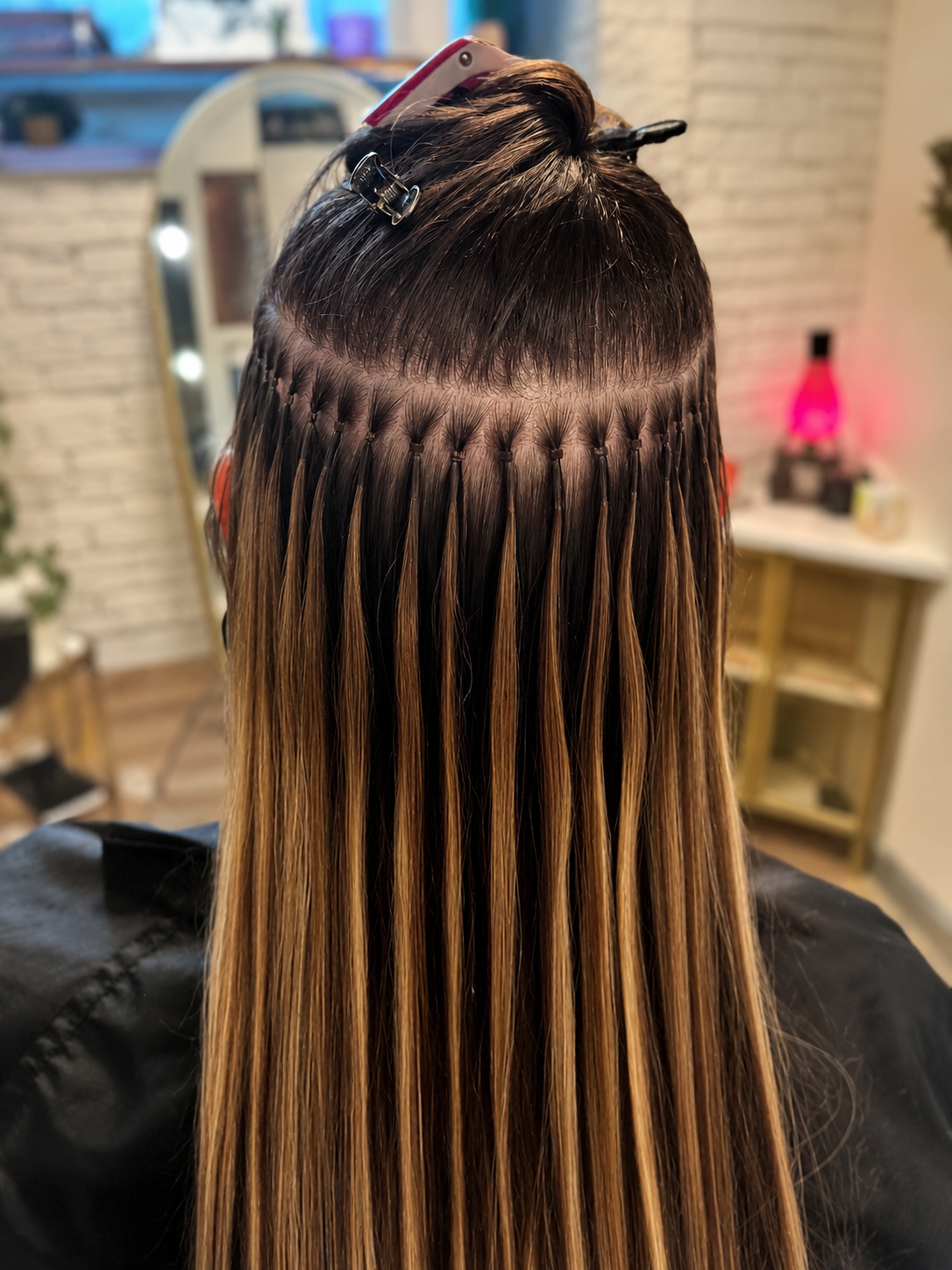
On install day, we section your hair carefully, placing each ring and strand according to a customized density map. The process requires advanced technique — precise sectioning, bead tension control, density balancing, and careful blending so the extensions integrate seamlessly with your natural hair. Depending on how many strands are being placed, the appointment can run anywhere from two to six or more hours.
Why I Specialize in Them
I specialize in nano tip extensions because they are the most honest answer to the problem my clients come in with. Fine hair deserves a method that respects it — one that adds density and length without forcing the hair to carry more than it can handle. Nano tips do exactly that.
I have seen what heavy methods do to fine hair over time. I have watched clients come in after years of damage from extensions that were not right for their hair type, looking for a way to restore what they had. Nano tips are the method that lets me give my clients what they came in for without compromising their hair health in the process. That is why I trust them, and that is why I specialize in them.